
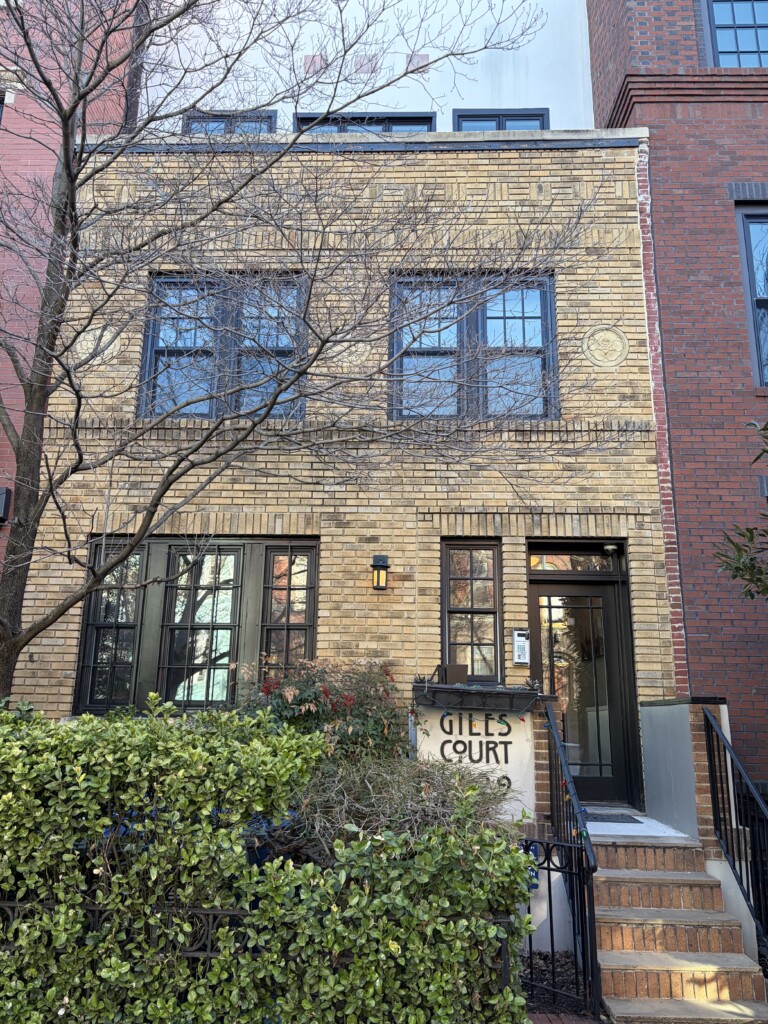

Most first-time visitors to Washington, DC never make it more than a few blocks off the National Mall. That’s a shame, because some of the city’s best food, music history, and street-level charm sits fifteen minutes north, in two neighborhoods locals actually live in: Shaw and Bloomingdale.
These aren’t “up-and-coming” anymore — they’ve arrived. Shaw is a dense grid of restored Victorian rowhouses, jazz history, and a restaurant scene stacked with James Beard winners. Bloomingdale, just to its northeast, trades a little polish for quiet, tree-lined blocks, dive bars, and a Saturday farmers market that locals build their whole weekend around. Together they form one of the most walkable, least touristy corners of the city — and one of the easiest to actually experience if you’re staying nearby instead of miles away in a hotel district.
Here’s how to spend a day or two here, whether you’re passing through or basing your whole DC trip in the neighborhood.
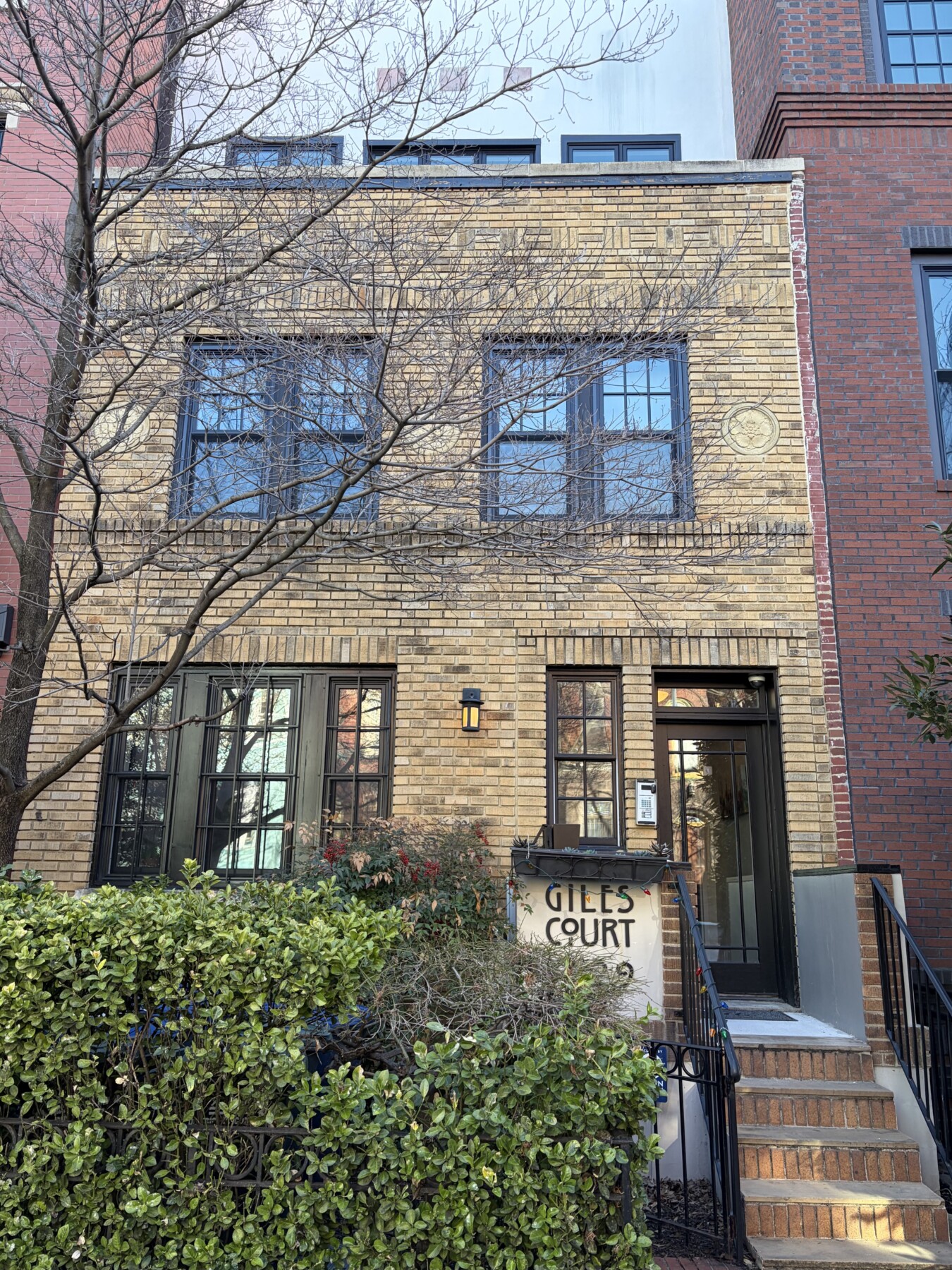
Where Shaw and Bloomingdale Actually Are
Shaw sits roughly between U Street, Florida Avenue, North Capitol Street, and 7th Street NW — anchored by the Shaw-Howard University Metro stop on the Green and Yellow lines. Bloomingdale picks up just northeast of Shaw’s edge, between North Capitol Street and 2nd Street NE, running up toward McMillan Park. Both are a short walk or ride from the U Street corridor, Logan Circle, and downtown, but they feel like a different city — brick rowhouses, corner stores, and almost no tour buses.
If you’re the kind of traveler who wants to walk to dinner rather than Uber to it, this is the part of DC built for you.
A Neighborhood Built on Jazz and Civil Rights History
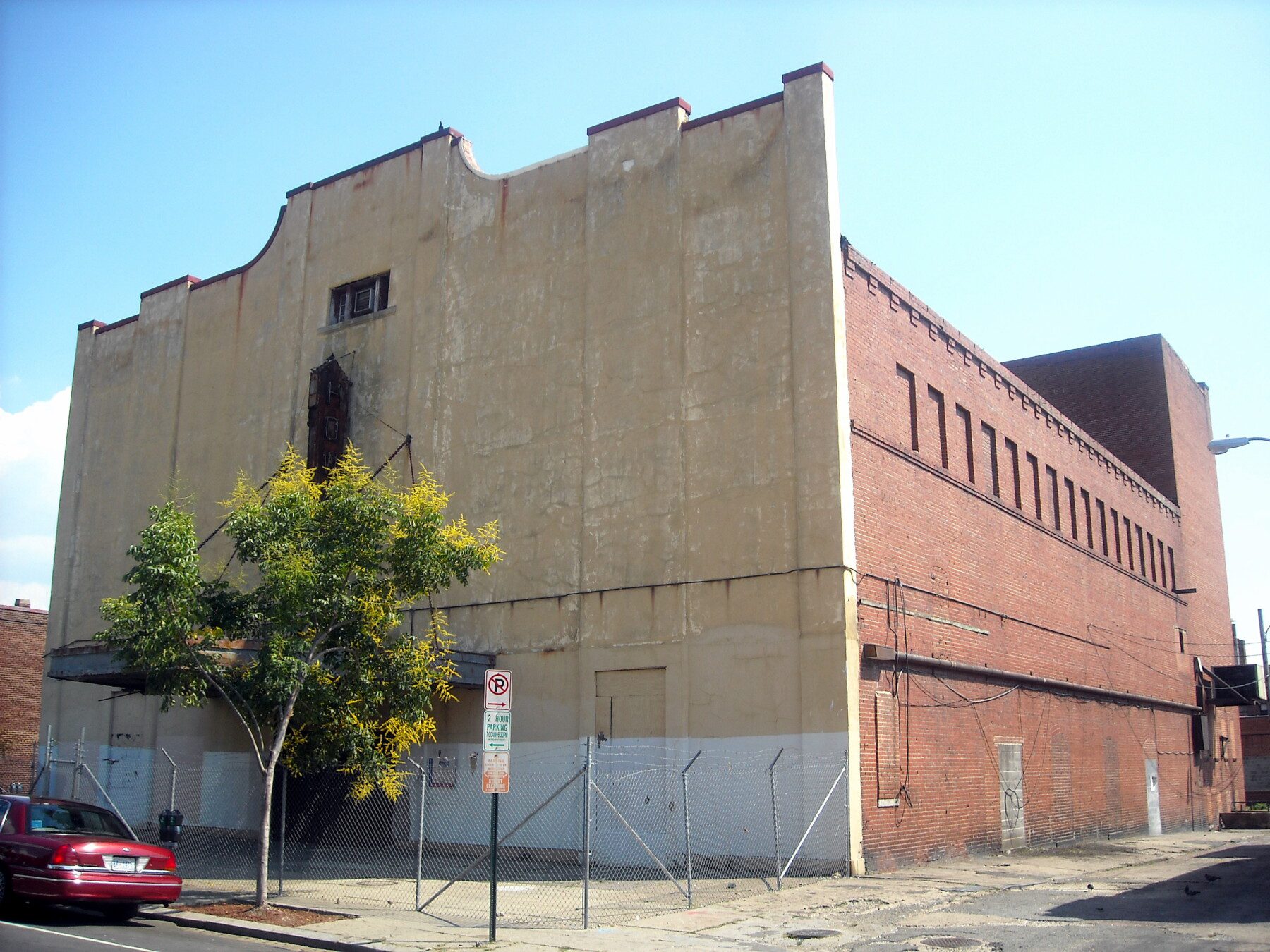
Shaw’s identity is inseparable from its history as the heart of Black Washington in the early 20th century — sometimes called the city’s “Black Broadway.” The Howard Theatre, restored and reopened at 620 T Street NW, hosted Duke Ellington, Ella Fitzgerald, and generations of jazz and R&B legends decades before it became the live-music venue it is today. A block away, the legendary 9:30 Club carries that live-music tradition forward with rock, indie, and alternative acts most nights of the week.
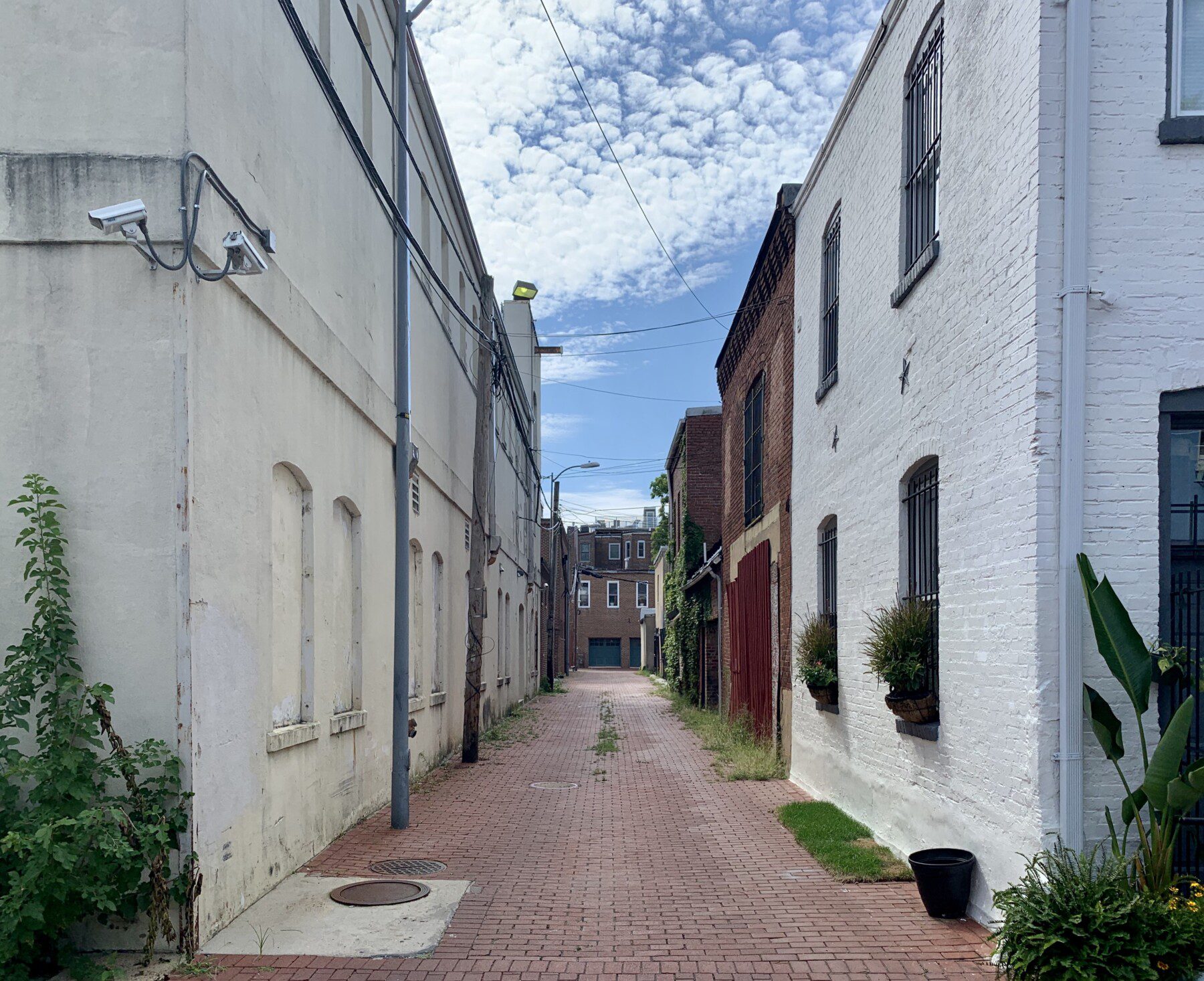
Wander a few blocks south and you’ll find Blagden Alley and Naylor Court, a pair of historic alley streets tucked behind the main grid — former carriage houses and stables now packed with bars, restaurants, and small businesses. It’s the kind of place you’d walk past entirely if you didn’t know to look for it, which is exactly the point of exploring on foot instead of sticking to the Mall.
The Carter G. Woodson Home, a National Historic Site dedicated to the “Father of Black History,” anchors the neighborhood’s role in preserving that legacy — a worthwhile, quiet stop if you’re interested in DC’s history beyond the federal buildings.
Where to Eat: Shaw’s Restaurant Row
Shaw punches well above its weight at the table. The Dabney built its reputation on Mid-Atlantic, hearth-cooked cuisine, while Oyster Oyster — helmed by James Beard Award-winning chef Rob Rubba — turns vegetables into the main event. Causa/Amazonia, where chef Carlos Delgado won the 2025 James Beard Award for Best Chef, Mid-Atlantic, brings Peruvian and Amazonian flavors to 9th Street.
Speaking of 9th Street NW: it’s home to a stretch locals call “Little Ethiopia,” anchored by Dukem, serving Ethiopian food since 1997, alongside a cluster of newer spots. It’s one of the most underrated food blocks in the city and rarely appears on a first-timer’s itinerary.
Where to Eat and Drink: Bloomingdale’s Quieter Side
Bloomingdale trades white-tablecloth energy for neighborhood-bar comfort. Red Hen is the anchor — an Italian-leaning menu built around a wood-burning stove, an excellent wine list, and a no-reservations-needed vibe that makes it easy to just show up. ANXO runs an in-house cidery and tasting room alongside a Basque-influenced menu (pan-roasted quail, saffron risotto, grilled lamb chops). For something lower-key, Big Bear Cafe covers coffee and breakfast until mid-afternoon, then shifts into a dinner menu of falafel wraps, carne asada burritos, and fried chicken sandwiches.
On Sunday mornings, the Bloomingdale Farmers Market turns First Street NW into the neighborhood’s social hub — produce, baked goods, and the kind of slow-paced browsing that’s hard to find anywhere near the monuments.
A Simple Half-Day Plan
If you only have a few hours, here’s a walkable loop that hits the highlights without backtracking:
- Morning: Coffee and breakfast at Big Bear Cafe, then a slow walk through Bloomingdale’s rowhouse blocks toward McMillan Park.
- Midday: Head south into Shaw, stopping at the Carter G. Woodson Home and wandering through Blagden Alley.
- Afternoon: Lunch on 9th Street’s “Little Ethiopia” strip.
- Evening: Dinner at The Dabney, Oyster Oyster, or Causa/Amazonia, then catch a show at the Howard Theatre or 9:30 Club if the schedule lines up.
None of this requires a car. The Shaw-Howard University Metro station puts you on the Green and Yellow lines, and most of what’s listed here is within a 15-20 minute walk of each other.
Why Base Your Trip Here Instead of Downtown
Staying in Shaw or Bloomingdale means skipping the hotel-district version of DC — chain restaurants, tour groups, and blocks that empty out after 6pm — for a neighborhood where people actually live, cook, and hang out on their stoops. It’s also genuinely central: you’re a short Metro ride or rideshare from the Mall, Capitol Hill, and downtown, without paying downtown prices or dealing with downtown crowds.
For travelers coming as a group — a family reunion, a milestone birthday, a few friends splitting a trip — a full home in this part of the city gives you what a cluster of hotel rooms can’t: a shared kitchen, a living room to actually gather in, and a real front door on a real DC block. Luxury Furnished Living operates several fully furnished homes in the Shaw area, steps from the restaurants and history covered above — browse available homes or see our group and reunion-friendly properties and get a direct quote for your dates, with no platform booking fees.
FAQ
Is Shaw, DC safe for visitors?
Shaw is a well-populated, actively developing residential neighborhood with steady foot traffic day and night, particularly along its restaurant corridors. As in any city neighborhood, use normal precautions — stick to well-lit main streets late at night and keep an eye on your belongings in busy spots.
How do I get to Shaw and Bloomingdale without a car?
The Shaw-Howard University Metro station (Green/Yellow lines) sits right in the middle of Shaw, and both neighborhoods are highly walkable and well served by rideshare and Capital Bikeshare stations.
What’s the difference between Shaw and Bloomingdale?
Shaw is denser, more commercial, and anchored by its jazz and civil rights history and restaurant scene. Bloomingdale, just northeast, is quieter and more residential, with a farmers market and neighborhood bars rather than destination dining.
Is this a good area to stay with a group?
Yes — the rowhouse building stock in this part of DC includes multi-bedroom homes well suited to groups, and the neighborhood’s walkability means everyone can get to dinner or a show together without splitting into cars or rideshares.
What’s the best time of year to visit?
Spring and fall bring comfortable walking weather and the fullest restaurant patio scene; summer is lively but hot midday, so plan around morning and evening outdoor time. The Bloomingdale Farmers Market runs seasonally, so check current hours before planning a visit around it.
Staying in Shaw or Bloomingdale
This is one of the better parts of the city to actually stay in rather than just visit — you are walkable to dinner and a short Metro ride from the Mall. We have furnished homes in and around here, from single-bedroom apartments to full rowhouses; the whole portfolio sits on our Washington, DC furnished rentals page, and monthly stays are set up for anyone here for work. Book direct for the best rate.